







Reconstructive Plastic Surgery

Reconstructive surgery is performed on abnormal structures of the body caused by birth defects, developmental abnormalities, trauma or injury, infection, tumors or disease. It is generally performed to improve function, but may also be done to approximate a normal appearance.

Reconstructive surgery can range from simple treatments, such as wound closure to more complex treatments like microsurgery to attach severed limbs. The size, nature and extent of a deformity or injury dictate what procedure will be used. Some options in wound treatment include skin grafts, tissue expansion and flap surgery/microsurgery. Other procedures include laser surgery and burn reconstruction, as well as skin and breast cancer reconstruction.

Dr. Wang is committed to offering confidential consultations to patients seeking reconstruction procedures with no obligation to schedule a surgery. Knowing your options can empower you to make informed decisions for treatment. Learn a little more about plastic surgery when you browse FAQs answered by Dr. Wang. Then, when you're ready, call Wang Plastic Surgery at 888-360-6688 to schedule your appointment.

What are the common benefits of reconstructive surgery?

Reconstructive surgery improves the function and appearance of areas of the body affected by birth defects and developmental abnormalities, as well as injury or disease. For instance, hand surgery can restore mobility, comfort and a normal appearance to patients with hand problems.

Will insurance cover my reconstructive procedure?

It depends. While most insurance companies never pay for cosmetic procedures, coverage for reconstructive procedures varies greatly based on your insurance plan and the treatment you require. In some cases, an insurance company will pay for a reconstructive procedure once the patient has satisfied all required co-pays. In other situations, the patient will be responsible for all costs associated with the surgery.

Because there are no hard and fast rules when it comes to insurance coverage for the reconstructive procedures we offer, please call us at 888-360-6688 so we can review your case and give you specific details about your insurance coverage for the consultation and the procedure itself. Our goal is to help you maximize your insurance benefits before having to pay for your reconstructive procedure out-of-pocket.

How is reconstructive surgery performed?

There are many procedures available to correct abnormalities and defects of various types. A few include:

  • Skin Grafts - This procedure is used to close wounds that are wide and difficult to close. It involves replacing damaged skin with skin taken from healthy areas of the body. There are three basic types of skin grafts. The split-thickness skin graft takes healthy layers of skin closest to the surface to treat burn wounds. Full-thickness skin grafts involve lifting all layers of the skin to replace damaged skin.
  • Tissue Expansion - Involves inserting a balloon-like device under the skin near the affected area and gradually filling it with salt water to encourage the body to stretch adjacent tissue to "grow" skin.
  • Flap surgery/Microsurgery - This procedure involves transplanting sections of tissue, muscle or bone from one area of the body to another with the original blood supply in tact. Microsurgery is also used to reattach severed limbs.
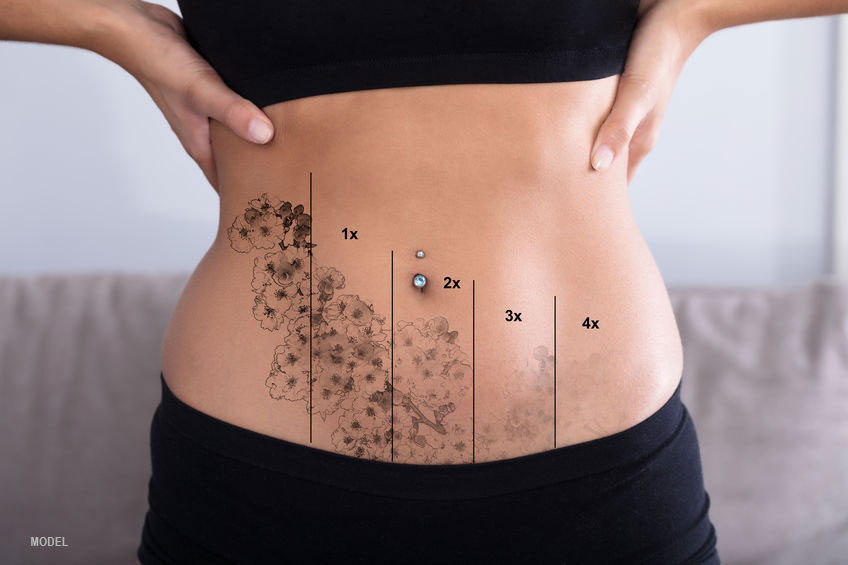
  • Laser surgery - Involves targeting certain areas of the body with lasers that beam various materials like dye, carbon dioxide, light and energy. Lasers can be used to remove tattoos, port-wine birthmarks, facial spider veins, age spots, warts and other types of skin growths.
  • Skin cancer reconstruction - Treatments include curettage and electrodessication, Mohs' surgery, cryo-surgery, laser therapy, radiation and topical chemotherapy.
  • Reconstructive breast surgery - In this procedure, Dr. Wang uses skin and muscle from other areas of the body to build a breast for patients who have had a mastectomy. Other options include autologous tissue replacement, implants and tissue expanders in combination with breast implants.

How long does reconstructive surgery take?

The time required depends on the specific procedure. Dr. Wang will advise you of the time required to perform your procedure.

What can I expect after reconstructive surgery?

You are likely to experience some discomfort after reconstructive surgery. Dr. Wang can prescribe appropriate medications and therapies to assist in the healing process. You may also feel somewhat anxious or depressed in the days or weeks following the procedure, but these feelings should subside as you begin to look and feel better.

What is the recovery period like?

The healing process differs for each individual and for each procedure. Dr. Wang will advise you of what to expect during your recovery period. It is important that you carefully follow his directions.

How long before I can return to normal activity?

When you can return to normal activities depends on your course of treatment. During your consultation, Dr. Wang will advise you how best to resume your normal activities.

Back to Top